
Custom RC Car - Embedded Systems and Mechanical Design
Personal
Project Overview
Designing and building a fully custom remote control vehicle from scratch, including the electronic system, power system, control system, and mechanical system.
Project start: Summer 2025
Tools Used: ESP32 microcontroller, BTS7960 motor driver, SolidWorks, Bambu Lab P1S 3D printer
Objective of Project: To design and build a remote-controlled vehicle where every major system was developed independently rather than relying on pre-built kits
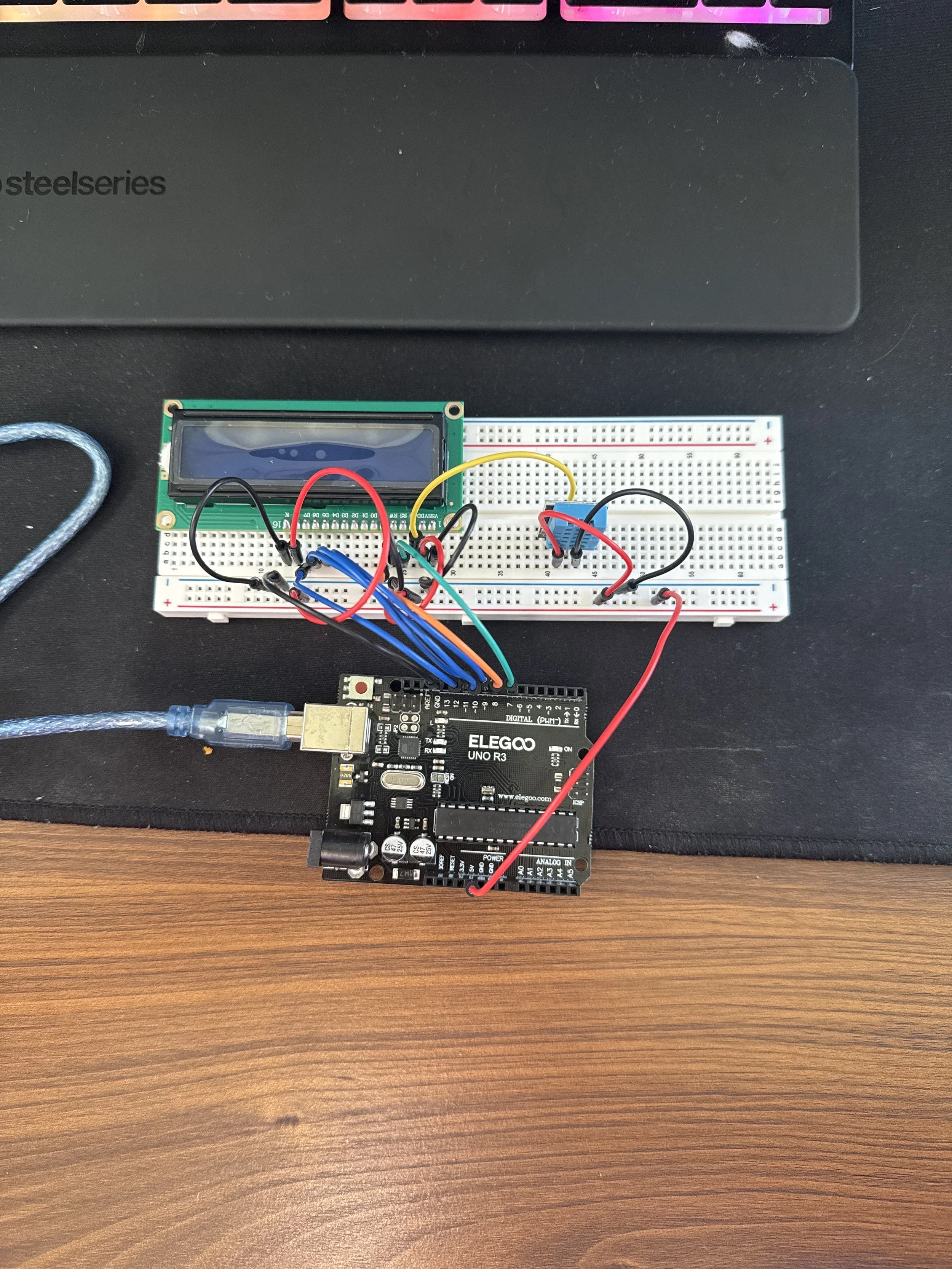
Temperature and humidity sensor mini project
Power System Problems
The first major obstacle was power delivery. A small battery pack could not supply enough current to run the motor. After switching to 18650 li-ion cells arranged in series, the first test immediately resulted in overheating and smoke. A quick lesson on overcurrent.
Designing a Custom Battery System
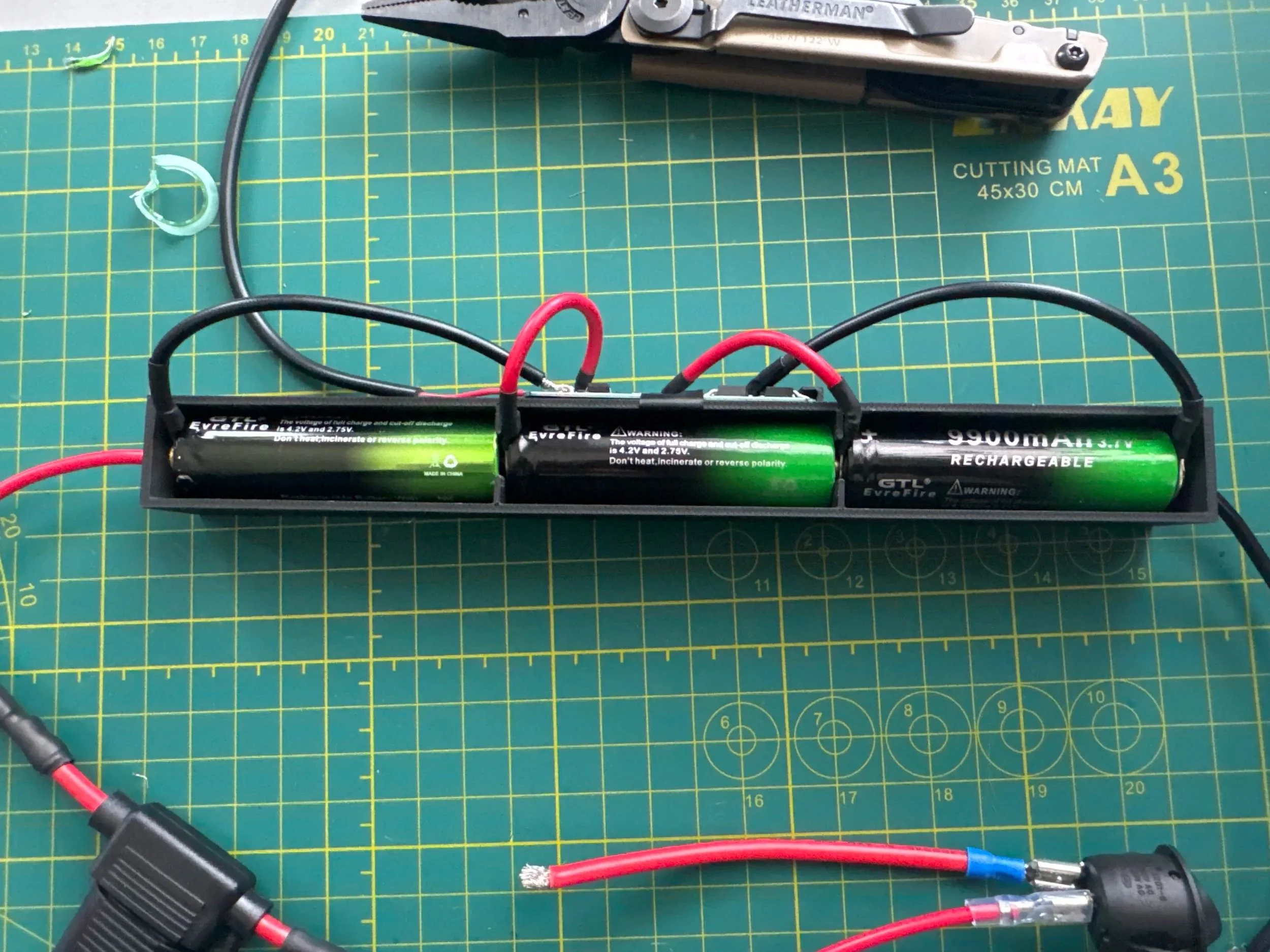
Larger gauge wires solved the current problem but introduce a packaging issue: the wires no longer fit in the battery holder i bought. To fix this i designed and 3D printed a custom battery housing with space for larger wiring, a BMS slot, onboard charging, an on/off switch, and a 10 amp fuse for safety. This redesign stabilized the power supply system.
Wireless control
Once the motors worked reliably, the next challenge was wireless control. The original Elegoo Uno board had no Bluetooth capability, making remote control impossible. I replaced it with an ESP32 microcontroller and rewrote the control code to connect to an Xbox controller over Bluetooth.
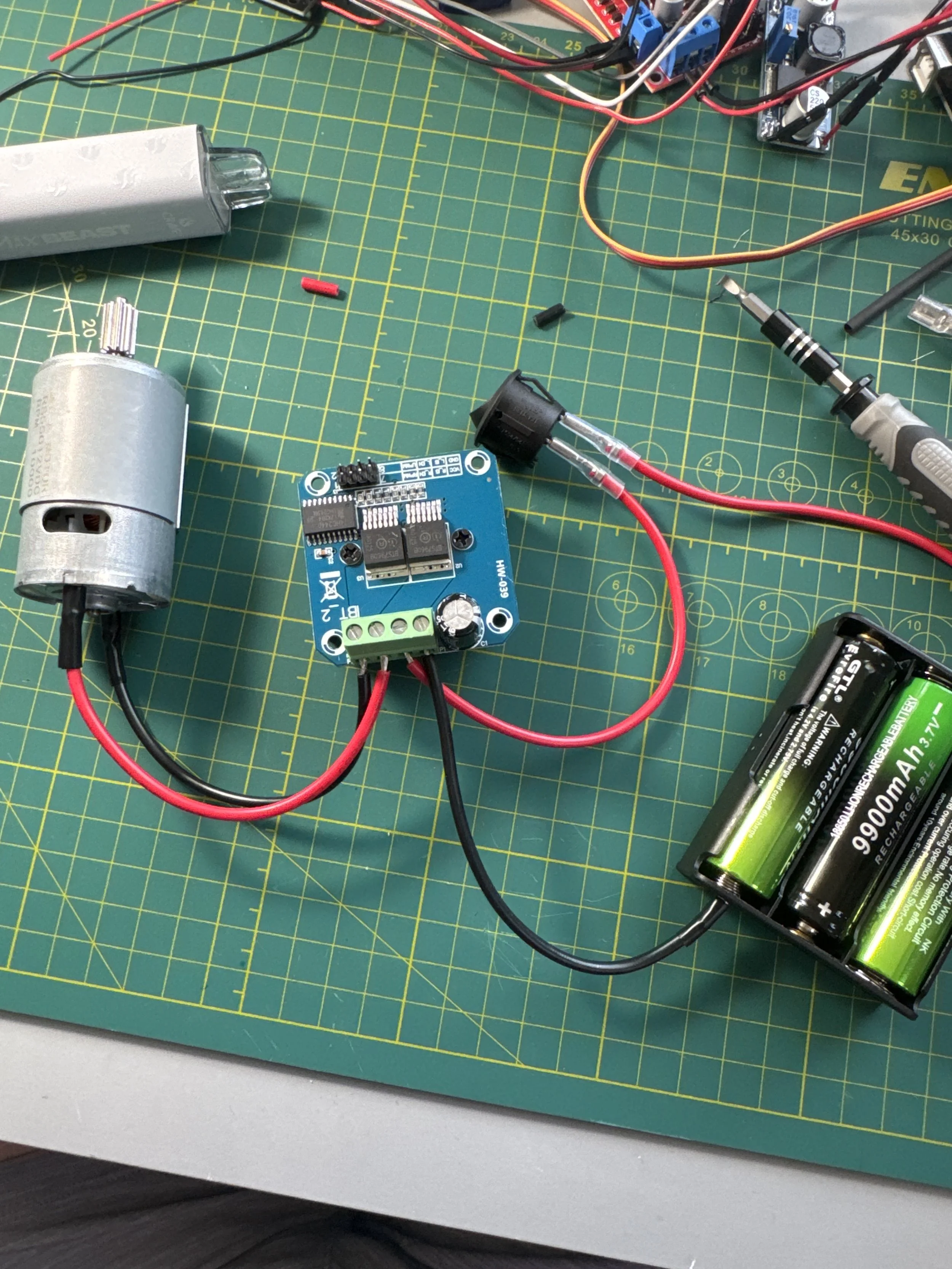
Motor testing with BTS7960 motor driver
Learning the Fundamentals
This project began with a simple goal. At the time, i had very little experience with embedded electronics, so the first step was to learn how circuits really work. While taking a circuit theory class, I began experimenting with Arduino programming and basic motor control.
This served as the foundation for my understanding of circuits and how i developed my plan of attack for this project.
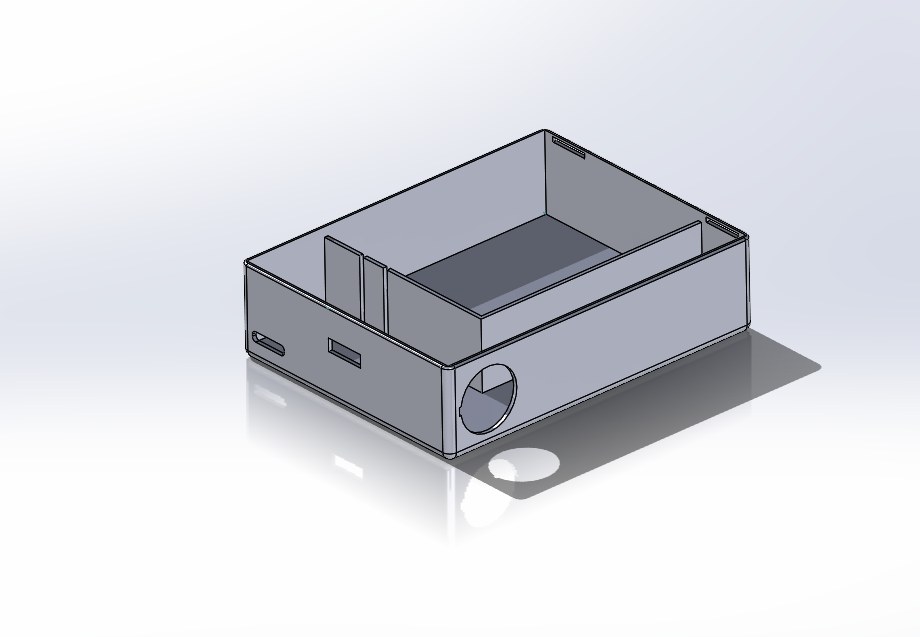
Initial battery holder case design
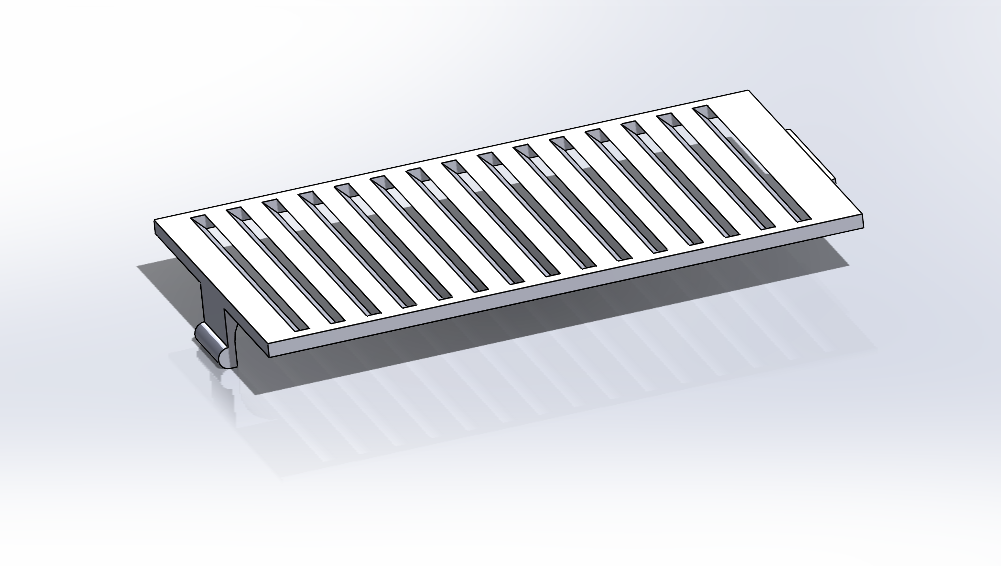
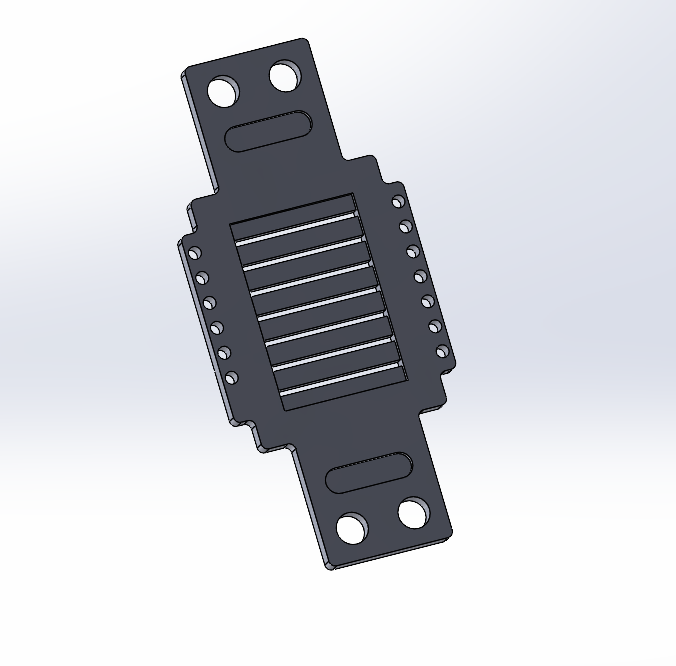
Initial lid design
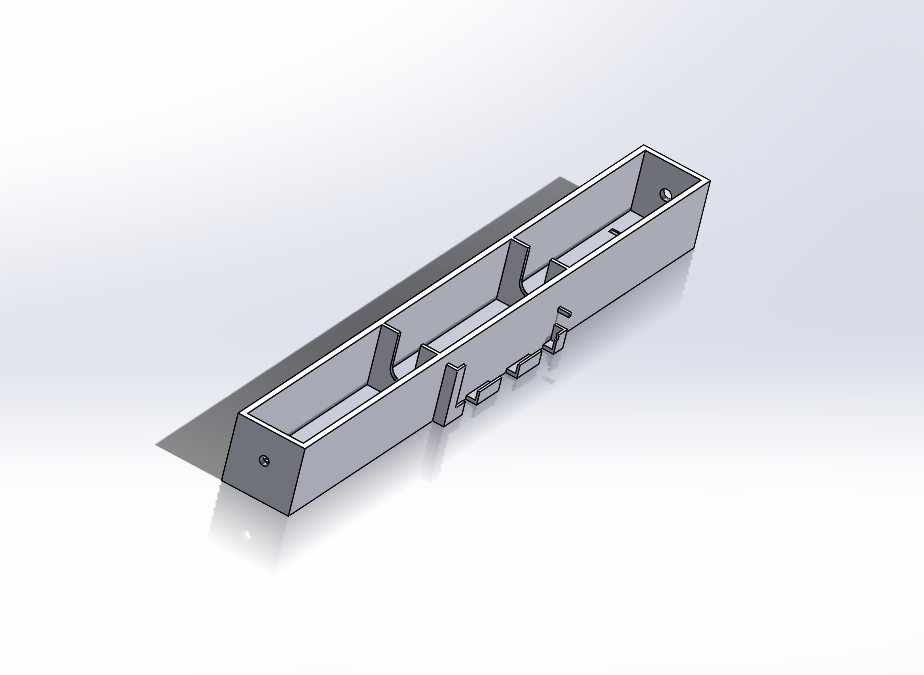
Final battery holder case design
Current Status
The electronic and control systems are now operational. The motors can be controlled wirelessly through the ESP32 using an Xbox controller. The next phase of the project focuses on the mechanical design of the vehicle chassis and mounting system for the electronics.
What I’ve learned so far
Power delivery and current management in DC motor systems
Battery pack design and li-lion safety
Microcontroller devices
Iterative prototyping and troubleshooting