
Patient Immobilization Support
Beth Israel Deaconess Medical Center (BIDMC)
Project overview
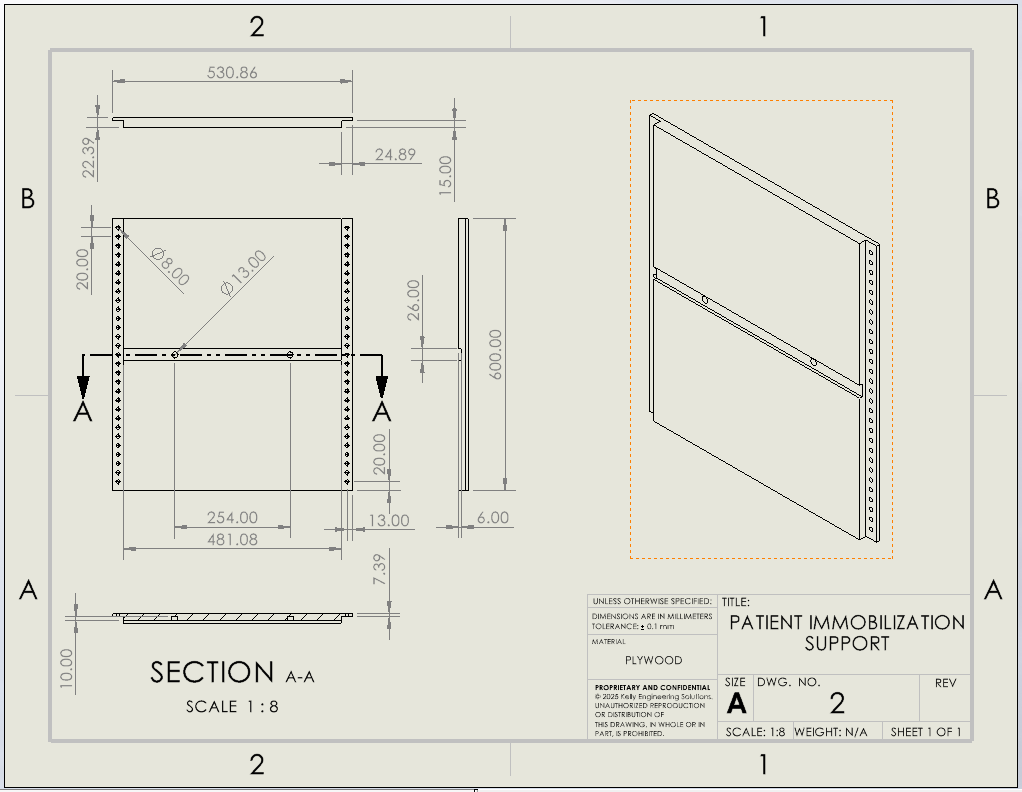
This project involves designing a patient immobilization support system in collaboration with Beth Israel Deaconess Medical Center. The goal is to develop a lightweight and stable support table that allows medical staff to immobilize patients during imaging or treatment procedures while maintaining patient comfort and safety.
The design focuses on structural stiffness, weight reduction, and compatibility with existing medical equipment while using manufacturable materials such as composite panels and polycarbonate components.
Problem
During certain medical procedures, specifically radiation therapy, patients must remain completely stationary to ensure accurate treatment. Current solutions can be heavy, uncomfortable, or difficult for staff to adjust. This leads to non-use of the equipment.
The objective of this project is to develop a support structure that:
immobilizes the patient securely
maintains high structural stiffness
remains lightweight and portable
integrates with existing hospital equipment
The system must also consider patient comfort and ease of use for medical staff.
What I’ve learned
designing mechanical systems for real medical applications
balancing structural stiffness with lightweight design
considering usability and ergonomics in engineering design
collaborating with external stakeholders during the design process
Design approach
The project began with defining the load conditions and design constraints of the support structure.
Key considerations included:
supporting the full weight of a patient safely
minimizing deflection under load
reducing overall system weight
ensuring materials are compatible with medical environments
Material selection focused on carbon fiber composite panels and polycarbonate sheet stock, providing a balance between strength, stiffness, and weight.
Structural design
The structural system consists of a rigid support frame and panel surface designed to distribute patient loads evenly across the structure.
The design prioritizes:
high stiffness to prevent movement during procedures
lightweight construction for transport and positioning
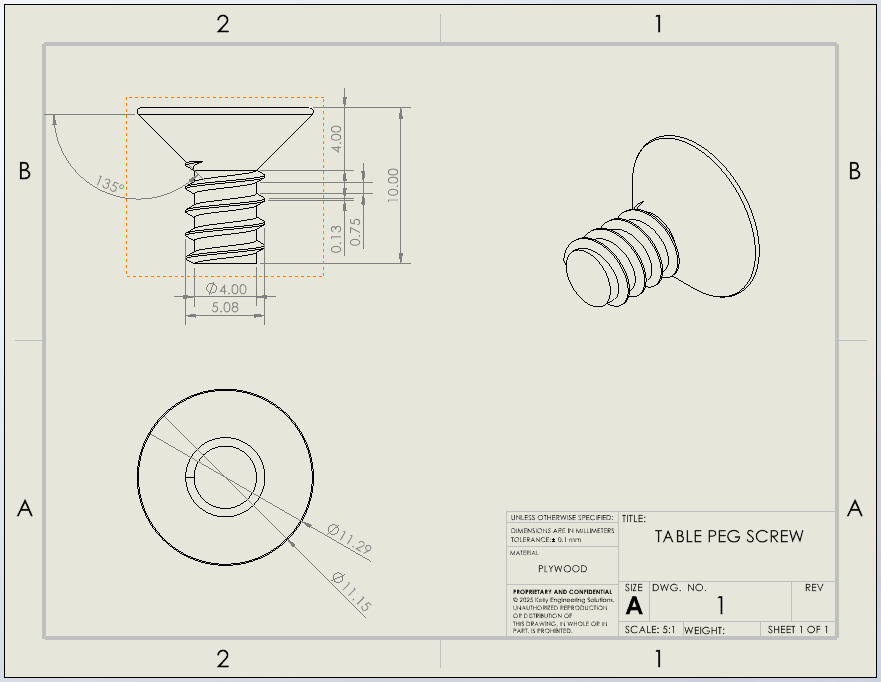
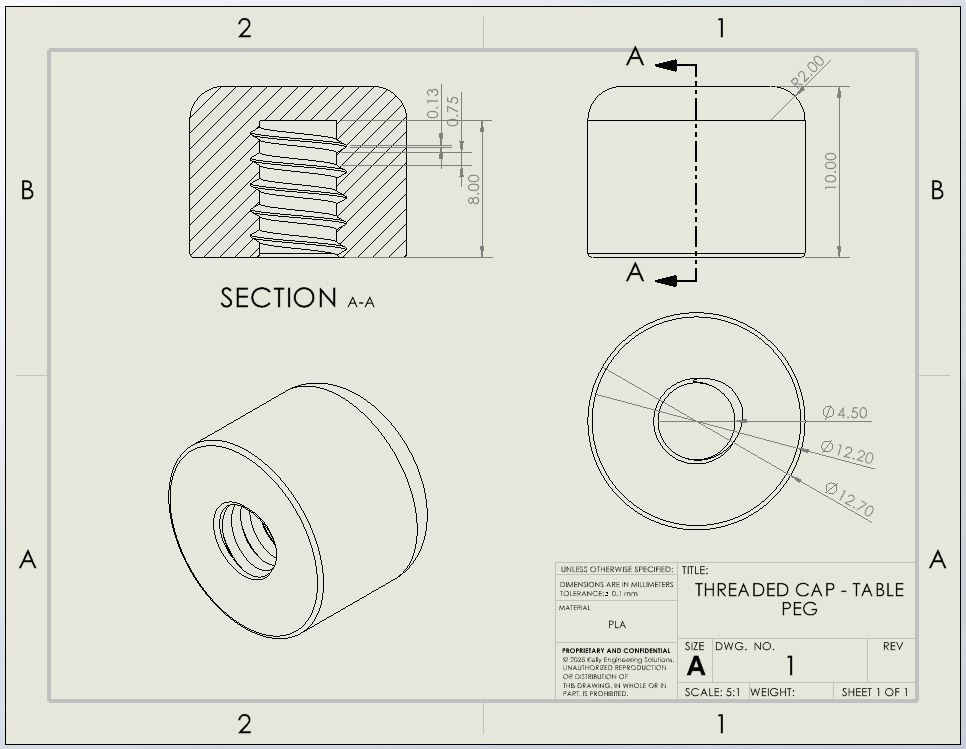
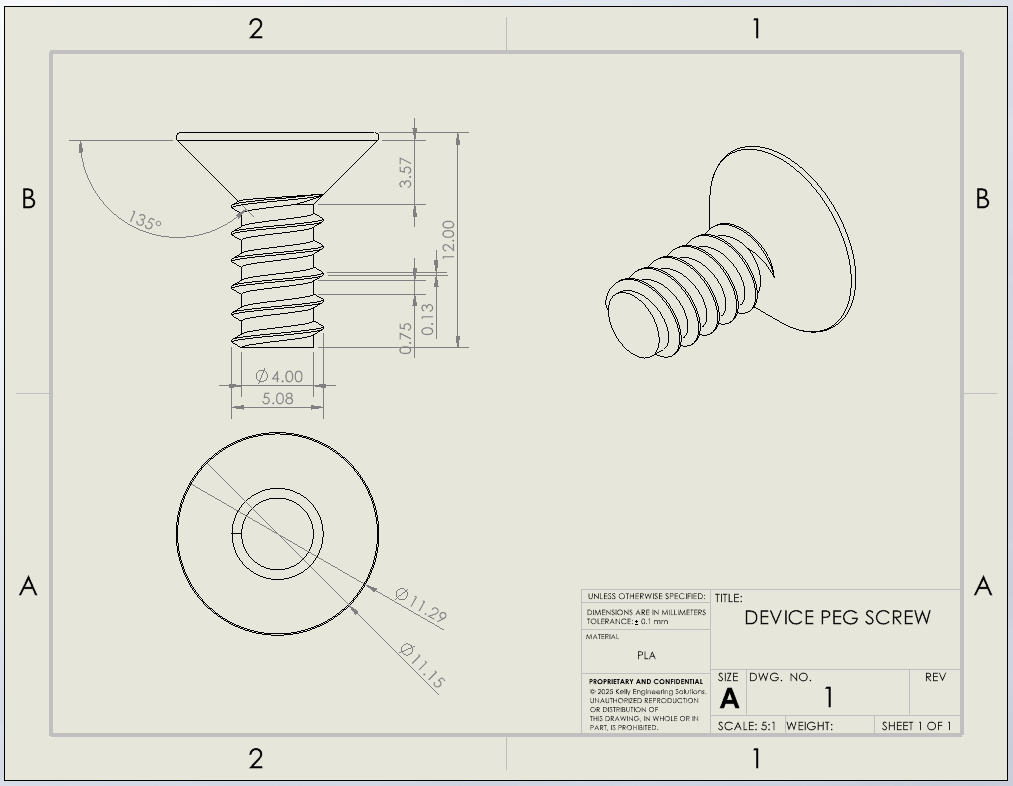
modular components for ease of manufacturing and assembly
CAD models were developed to evaluate geometry, mounting interfaces, and structural behavior.
Current status
The project is currently in the design and development phase. Initial CAD models and structural concepts have been developed, and the next phase involves refining the geometry and validating structural performance through simulation and prototyping.